How To Care For Your Horseshoe Equipment: Maintenance Tips And Tricks
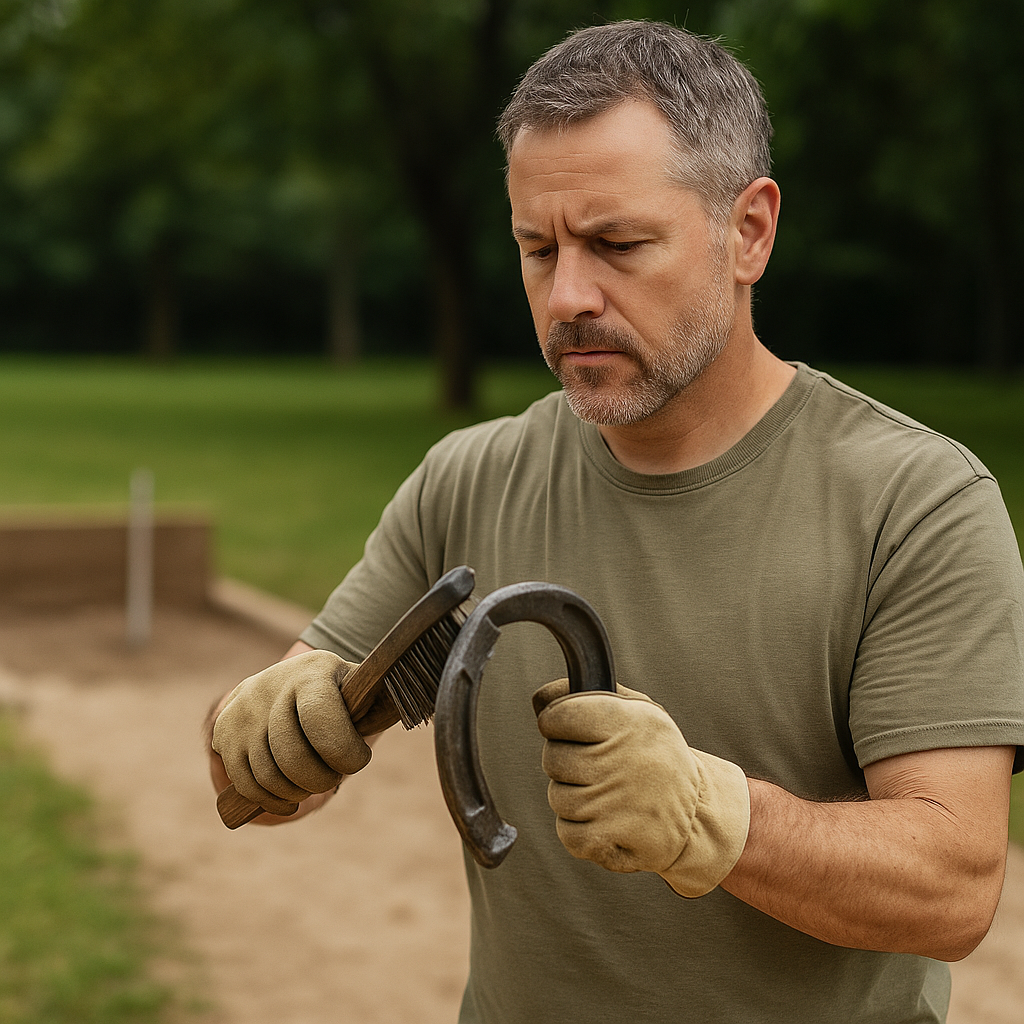
Horseshoe pitching is more than a game—it’s a skill-building, outdoor tradition enjoyed by players of all levels. Whether you’re competing in leagues or enjoying casual matches in your backyard, maintaining your horseshoe equipment is essential to keep it performing well and lasting season after season.
Neglecting maintenance doesn’t just make your gear look bad—it affects balance, grip, accuracy, and even your safety. Rusted horseshoes, bent stakes, or worn-out court pits can all lead to poor throws and preventable injuries.
In this comprehensive guide, you’ll learn exactly how to care for your horseshoe equipment—whether it’s forged steel for professional play or rubber sets for family fun. These maintenance tips and tricks will help you protect your investment, maintain consistent gameplay, and extend the life of your gear.
Why Horseshoe Equipment Maintenance Matters
Well-maintained horseshoe gear provides several benefits:
- Consistent performance: Rust or dirt can alter the weight and flight of a horseshoe.
- Longer lifespan: Proper care prevents corrosion and structural damage.
- Better grip: A clean, dry horseshoe offers better control.
- Improved safety: Rusted edges, loose stakes, or debris can cause accidents.
Just like a baseball player maintains their glove or a golfer cleans their clubs, your horseshoes and court need regular attention.
Essential Maintenance Supplies Checklist
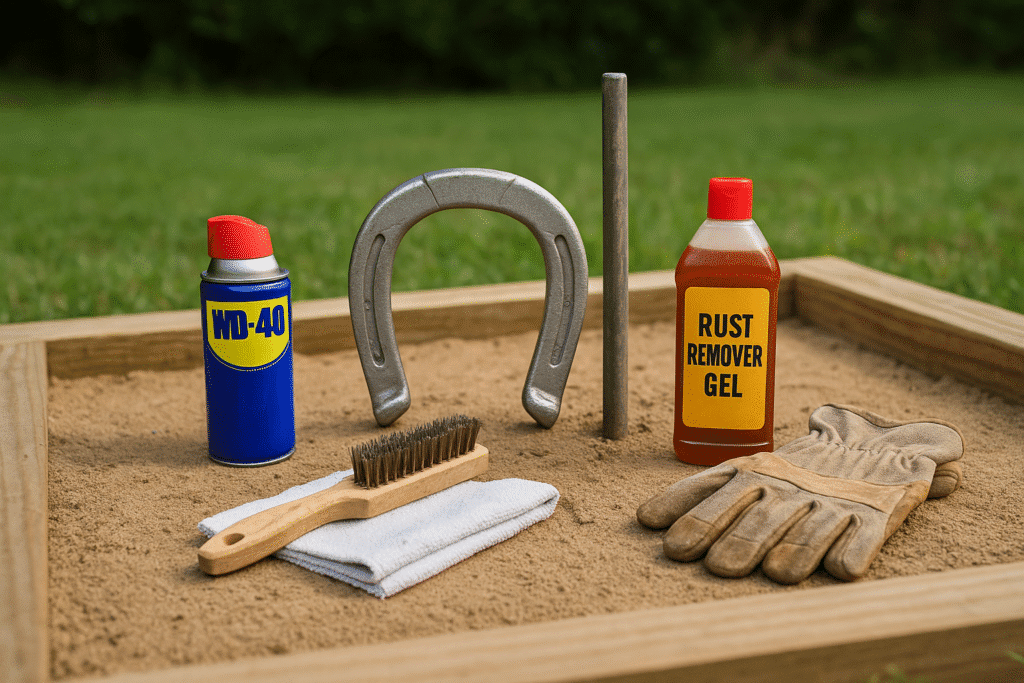
Before diving into the details, here’s a quick list of items to keep in your horseshoe care kit:
- Wire brush (or steel wool)
- Rags or microfiber cloths
- Rust remover (gel or spray)
- WD-40 or silicone lubricant
- Protective gloves
- Bucket of warm water
- Mild soap
- Horseshoe storage case
- Weatherproof tarp or court cover
Optional:
- Fine sandpaper (for polishing)
- Anti-rust spray or protective finish
- Portable pit rakes or small shovels (for court care)
1. Cleaning Your Horseshoes
Horseshoes take a beating. Dust, clay, sand, and moisture all collect on them during games. Here’s how to clean them effectively:
After Each Session:
- Wipe down your horseshoes with a dry rag or microfiber towel to remove dirt and sweat.
- Shake off any excess sand or clay.
Weekly or Biweekly (depending on frequency of use):
- Soak your horseshoes in warm soapy water for 5–10 minutes.
- Use a wire brush or steel wool to scrub away any hardened debris or rust.
- Rinse thoroughly and dry completely with a towel.
- Apply a light coat of WD-40 or silicone spray to prevent rust and maintain a smooth finish.
- Store in a dry, padded case—never leave horseshoes on the ground or exposed to rain or sprinklers.
Avoid using harsh chemicals or acids that could damage metal coatings or etched logos.
2. Removing Rust from Metal Horseshoes
Even with proper care, rust can form—especially on older or improperly stored equipment. Here’s how to treat it:
Minor Surface Rust:
- Use fine steel wool or a wire brush to gently scrub the rusted area.
- Wipe clean with a damp cloth.
- Apply a protective spray or rust-inhibitor after drying.
Heavy Rust Buildup:
- Use a rust remover gel (like Evapo-Rust) and let it sit according to the product instructions.
- Scrub away the loosened rust and rinse thoroughly.
- Dry the shoe and reapply a rust-preventative finish.
Pro Tip: To avoid needing deep cleaning, schedule rust inspections once a month during heavy-use seasons.
3. Maintaining Your Horseshoe Stakes
Stakes often get overlooked in maintenance routines—but they’re just as important for consistent gameplay and safety.
Stake Care Tips:
- Wipe down after each use to remove moisture and dirt.
- Check for bending—a warped stake affects throw accuracy.
- Spray with anti-rust lubricant monthly if exposed to the elements.
- Periodically repaint stakes if they’re color-coded for aim or league use.
Reinforcement:
If your stake is starting to wiggle or shift:
- Repack the soil or sand around the base.
- Anchor the stake deeper or consider using concrete sleeves in permanent pits.
4. Caring for Your Horseshoe Pit or Court
Proper court maintenance ensures a level playing surface and keeps gear from getting damaged. Whether you have a basic backyard pit or a regulation setup, follow these care practices:
Pit Surface:
- Rake the sand or clay to even out divots after each session.
- Remove any debris—rocks, twigs, or leaves.
- Water clay courts lightly to maintain moisture (if applicable).
- Use a cover or tarp to protect the court from erosion and weather.
Court Frames and Borders:
- Check for warping or rotting in wood frames.
- Use treated lumber or composite materials for long-term durability.
- Secure rubber or metal frames to prevent shifting during gameplay.
5. Storage Tips to Extend Equipment Life
Horseshoes:
- Store in a cool, dry location.
- Use a carrying case with dividers or padding to avoid scuffs.
- Never store wet horseshoes in enclosed bags—they will rust quickly.
- Consider placing a silica gel pack in your case to absorb moisture.

Stakes:
- Remove stakes from portable pits and store indoors when not in use.
- Clean before storage and spray lightly with protective lubricant.
Other Accessories:
- Store measuring tapes, rakes, and scoring boards in weatherproof containers.
- Clean and dry cloth gloves or grip wraps before reuse.
6. Maintenance by Material Type
Not all horseshoes are made alike. Tailor your care routine to the type of material you’re using.
⚙️ Drop-Forged Steel:
- Clean regularly.
- Prone to rust without maintenance—always dry and oil after use.
🧪 Alloy Steel:
- Lighter and more rust-resistant but still needs regular cleaning.
- Check for surface pitting and polish as needed.
🧲 Cast Iron:
- More brittle—don’t over-scrub or drop frequently.
- Paint coating may chip; repaint if aesthetics matter.
🧼 Rubber or Plastic:
- Clean with soap and water.
- Store indoors away from heat to prevent warping or cracking.
7. Signs It’s Time to Replace Your Equipment
Even the best-maintained gear doesn’t last forever. Watch for these signs:
- Deep cracks or gouges in metal
- Significant rust that keeps returning
- Uneven weight or shape distortion from impact
- Loose or bent stakes that won’t anchor properly
- Loss of grip or control due to worn coating
When in doubt, compare the feel of a new horseshoe with your current set. If the difference is noticeable, it might be time for an upgrade.
Horseshoe Game Set
Top Brands:
8. Bonus Pro Tips
- Color-code your gear if you play in teams—makes maintenance and organization easier.
- Keep a gear log during competitive season to track maintenance dates and replacements.
- If you travel for games, keep a portable maintenance kit in your vehicle (brush, spray, towel, etc.).
Final Thoughts: A Clean Throw Starts with Clean Gear
Horseshoe maintenance may not be as exciting as nailing a perfect ringer, but it’s a key part of long-term success and enjoyment. Clean, rust-free gear throws smoother, lasts longer, and protects your investment—whether you play once a week or daily.
Develop a routine that works for you. Spend five minutes cleaning after each session and schedule a deeper inspection monthly. Your throws—and your wallet—will thank you.
So, how’s your gear looking right now? Could a little cleanup be the key to your next perfect pitch?

Larry Mac
Hi there, and thanks for stopping by! My name is Larry, and I’m the voice behind PlayingHorseshoes.com I love the game and have been playing since I was a kid. I started this blog because I am passionate about the sport, and with all the technology, I hope the sport don’t die. I plan to do my part to keep it going for me and my brother’s sake. Thanks for stopping by, feel free to subscribe and comment. Thank You!