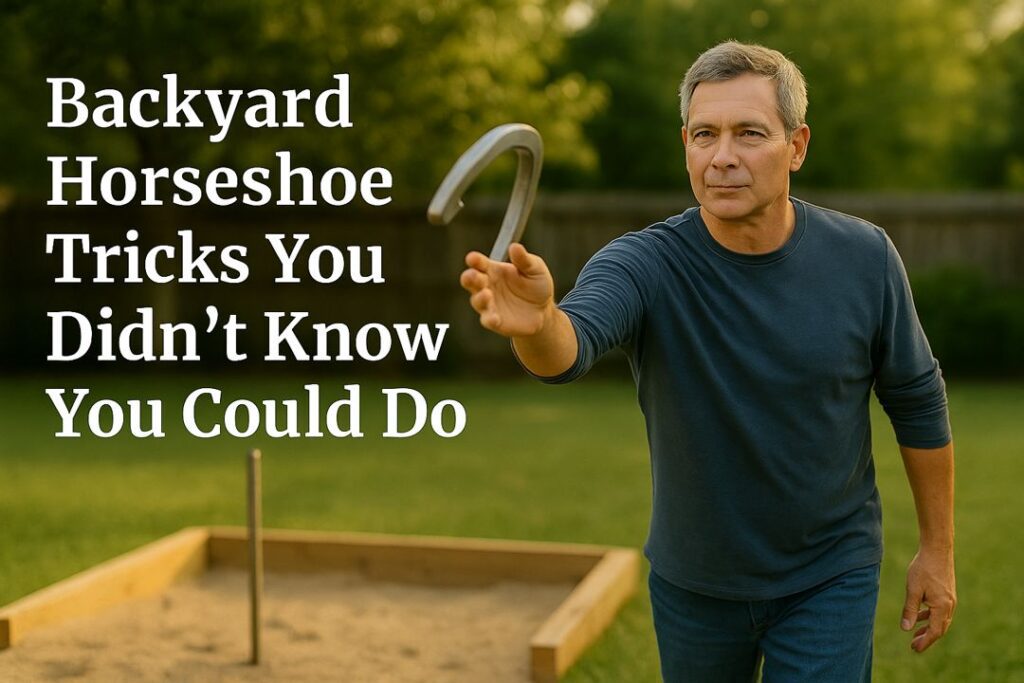
Essential Horseshoe Equipment Checklist: Don’t Start Without These
Playing horseshoes is a beloved tradition—equal parts skill, competition, and relaxation. Whether you’re tossing shoes at a backyard BBQ or joining a league, having the right equipment is the foundation of a great game. This guide will walk you through everything you need to play horseshoes, from the basics to advanced accessories, ensuring your setup is safe, fun, and ready for every level of play.
Why Equipment Matters in Horseshoes
You might think horseshoes is simple—just grab a couple of shoes, find a stick to toss at, and you’re good to go. But ask anyone who’s tried to play with a lightweight set on an uneven patch of ground: the right equipment makes all the difference.
High-quality gear makes the game more enjoyable, consistent, and safe. It can mean the difference between endless frustration and a day full of ringers and laughs. For those aiming to improve their skills or even go competitive, having the proper setup is not just recommended—it’s essential.
🟢 The Basics: What Every Horseshoe Game Needs
Let’s start with the core equipment that every horseshoe player needs. Without these, there’s simply no game.
1. Regulation Horseshoes
The horseshoe itself is the heart of the game. For a regulation match, you’ll need four horseshoes—two for each team or player.
What to Look For:
- Material: Steel is the tournament standard, but rubber horseshoes are great for families and beginners.
- Weight: Regulation steel horseshoes weigh about 2.5 pounds. Lighter options are available for kids and seniors.
- NHPA Approval: For league play, look for the National Horseshoe Pitchers Association (NHPA) stamp to ensure your shoes meet official standards.
- Balance and Shape: Quality horseshoes are well-balanced, have smooth edges, and provide a consistent grip and release.
Pro Tip: Don’t buy super cheap plastic or cast iron horseshoes—they chip, bend, and don’t throw true. Steel or high-quality rubber are best.
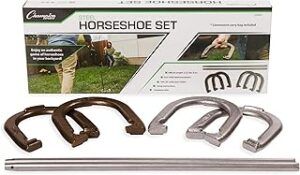
Horseshoe Game Set
2. Stakes
Every game needs two stakes, placed opposite each other. These are the targets for your throws.
What to Look For:
- Size: Official rules require 1-inch diameter steel stakes, 36 inches long.
- Installation: At least 15 inches of each stake should extend above ground. For serious play, stakes are often set in concrete for stability.
- Portability: If you plan to take your set to parks or friends’ houses, look for stakes that are easy to drive into dirt or sand.
Pro Tip: Loose or wobbly stakes ruin the game. Take the time to secure them well.
3. Pitching Pits
A well-prepared pit makes for better play and fewer injuries. While a patch of grass will do in a pinch, most players use a dedicated pit with sand, clay, or fine gravel to cushion landings.
What to Look For:
- Surface: Sand or clay is ideal. Avoid rocky or hard-packed dirt.
- Size: Regulation pits are 43 inches long and 31 inches wide, with a 36-inch stake in the center.
- Borders: Use landscaping timbers or wood to create a border and keep material in place.
- Portable Options: For indoor or temporary outdoor games, rubber mats or portable bases work well.
🟡 Must-Have Horseshoe Accessories (That Most People Forget)
If you want a smooth, hassle-free game, don’t overlook these essentials. They might seem optional—but once you use them, you’ll wonder how you ever played without them.
4. Carrying Case
Organization is key, especially if you transport your set to parks, parties, or tournaments.
Benefits:
- Keeps shoes and stakes together.
- Protects from dings, scratches, and rust.
- Makes storage a breeze—just grab and go!
Tip: Many quality sets come with a padded or molded carrying case. If yours doesn’t, they’re worth buying separately.
5. Stake Leveler & Measuring Tape
A crooked stake or the wrong distance between pits can throw off the whole game.
Why You Need Them:
- A stake leveler helps set your stakes at the required 12-degree forward tilt.
- A measuring tape ensures regulation distance (40 feet stake-to-stake) for league play, or lets you adjust for smaller backyards and younger players.
6. Scorekeeper
It’s surprisingly easy to lose track of points, especially in a close game or a big group. A scoreboard (flip, chalk, or digital) keeps things fair and fun.
Tip: Some scoreboards even attach to your pit for convenience.
7. Pit Brush or Rake
Sand, clay, and even grass pits get uneven quickly. A rake or brush smooths the surface, clears debris, and helps maintain a professional look.
Tip: A clean pit reduces bounce-outs and makes scoring easier.
🔵 Pro-Level Add-Ons for Advanced or Competitive Play
Looking to go beyond backyard fun? Here are a few more items to take your setup to the next level.
8. Backboards & Backstops
Protect your house, fence, or garden from stray throws. Backboards are placed behind the stake and stop horseshoes that miss—saving your landscaping (and your neighbor’s patience).
Options:
- Wooden boards (paint for weatherproofing)
- Rubber or padded barriers for silent impact
9. Pit Liners
Pit liners keep your sand or clay in place, help with drainage, and make pits easy to clean and refill. If you want to keep your pit looking and playing great, a liner is a smart investment.
10. Weather Covers
A tarp or fitted cover protects your pit from rain, sun, and debris—meaning less maintenance and longer-lasting equipment.
Tip: If you don’t have a cover, store your gear inside during the off-season.
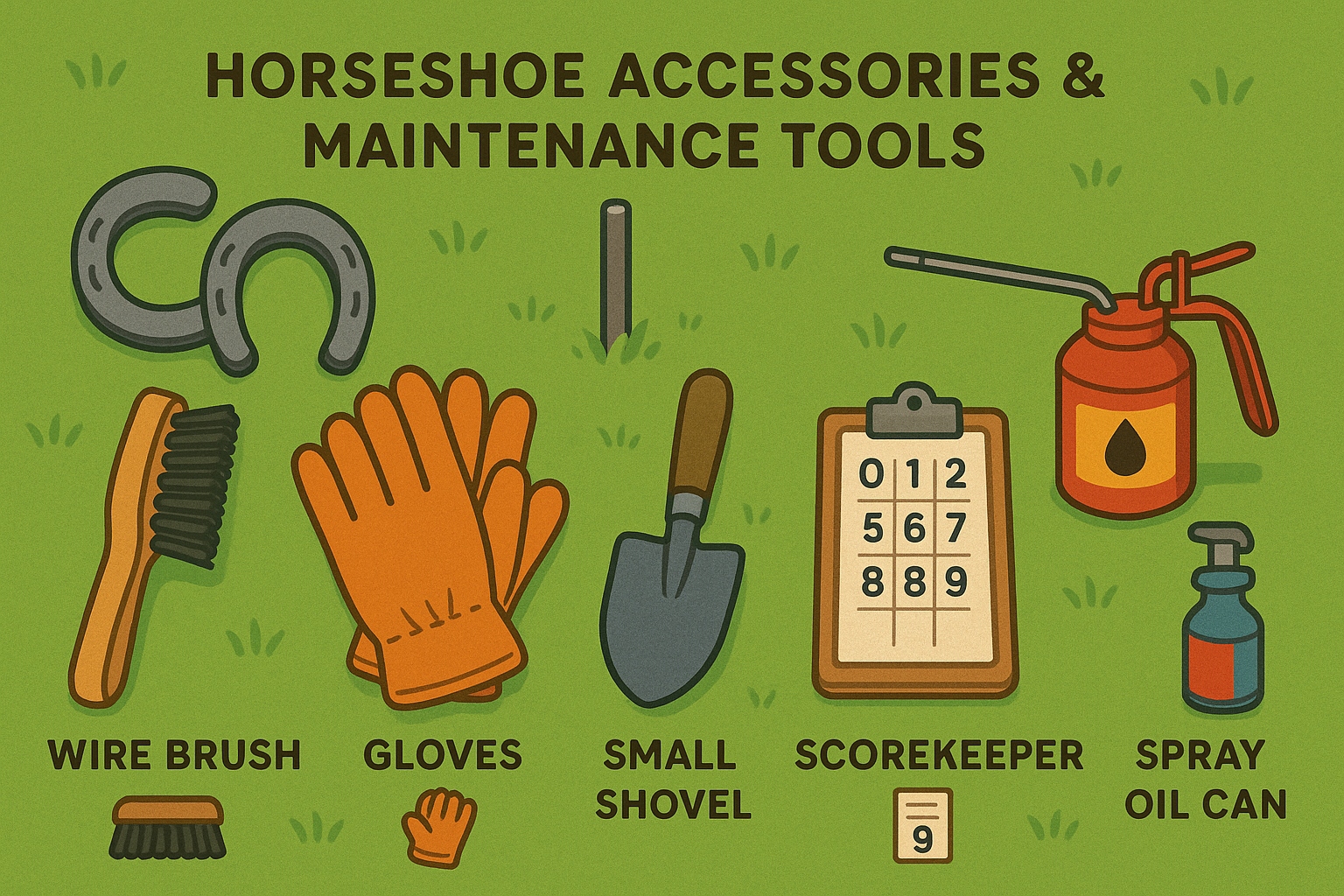
🛠️ Maintenance Tools & Supplies
- Wire brush: Remove rust or packed-on dirt from horseshoes and stakes.
- Gloves: Protect your hands from blisters during long games.
- Small shovel or scoop: Adjust pit material, dig out stakes, or fill in low spots.
- Cleaning cloths: Wipe off mud, sand, or rain before packing up.
- Light oil or WD-40: Keep steel horseshoes rust-free and looking sharp.
📝 The Ultimate Horseshoe Game Setup Checklist
Let’s sum it up. Before your next game, make sure you have:
- Four horseshoes (regulation steel or family-safe rubber)
- Two steel stakes, 36” long
- A marked pit area (sand, clay, or portable mat)
- Carrying case for transport and storage
- Stake leveler and measuring tape (for accurate setup)
- Scorekeeper or scorecard
- Pit brush or rake for maintenance
- Backstop or backboard (especially for close quarters)
- Pit liners (for easy care)
- Weather cover or tarp (for outdoor protection)
- Wire brush, cleaning cloth, gloves, oil, and shovel
🎯 What Makes Equipment “Essential” in Horseshoes?
- Consistency: Regulation gear means you’re playing by the same rules as the pros. Consistency builds skill and confidence.
- Safety: Properly installed stakes, soft pit material, and backstops prevent injuries and property damage.
- Enjoyment: The right tools keep the focus on fun and fair play—not on fixing problems or replacing broken gear.
🧠 How to Choose the Right Gear for Your Needs
- For Families: Rubber horseshoe sets, portable mats, shorter stakes, and bright colors keep games accessible for everyone.
- For Serious Players: Steel shoes, regulation pits, anchored stakes, and scoreboards prepare you for tournaments and league play.
- For Travelers or Apartment Dwellers: Compact sets, lightweight rubber shoes, and portable mats make it easy to play anywhere.
Tip: Buy the best you can afford—it’s better to grow into your gear than to outgrow it in a season.
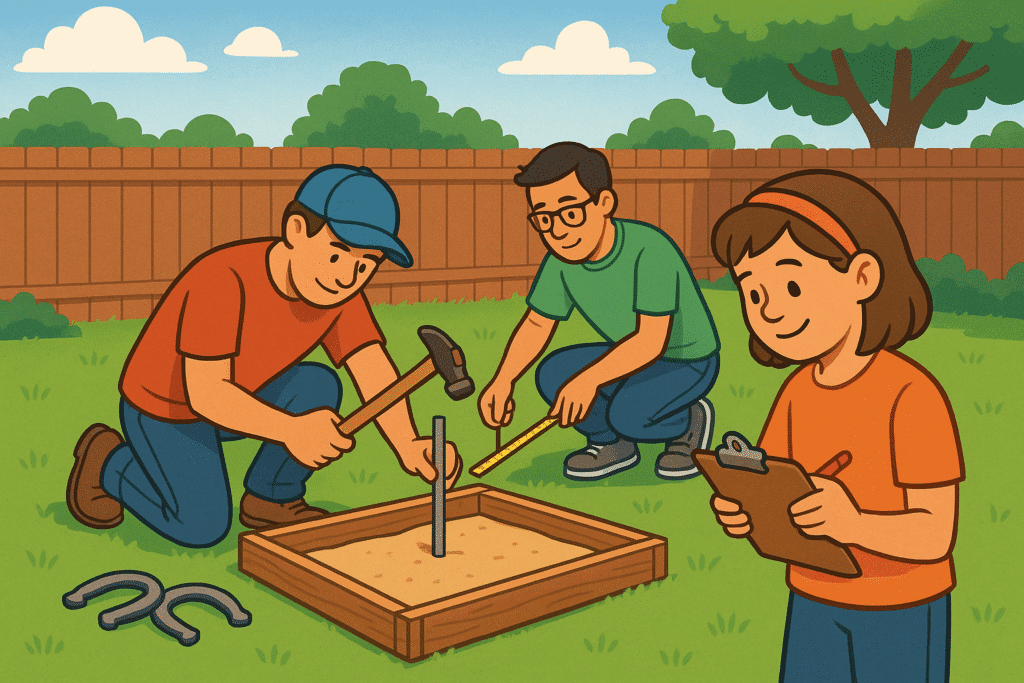
💡 Tips for Setting Up a Backyard Horseshoe Court
- Choose a safe, flat area with no windows or breakables nearby.
- Measure the official distance (40 feet between stakes, or less for kids).
- Install your stakes firmly—15 inches above ground and a 12-degree lean forward.
- Frame your pits with wood or landscaping timbers.
- Add sand or clay for a professional look and safer play.
- Set up your scoreboard and brush/rake for maintenance.
- Place backboards behind each stake if space is tight.
- Store extra gear in a weatherproof box or shed nearby.
🏁 Final Thoughts: Start Strong, Play Better
Having the right horseshoe equipment isn’t just about looking the part—it’s about making the game safer, more enjoyable, and fair for everyone who steps onto the court. Whether you’re a beginner learning the ropes or a seasoned player aiming for your next ringer, a well-equipped setup lets you focus on your throw—not on fixing problems or wishing you’d bought better gear.
Take this essential horseshoe equipment checklist and get your court ready for action. Remember, every great game starts with great preparation. Equip yourself with the right tools, maintain your setup, and enjoy hours of laughter, competition, and classic outdoor fun.
So, before your next match, ask yourself: do I have everything I need for the best horseshoe game possible? If you follow this checklist, the answer will always be yes.
Hi there, and thanks for stopping by! My name is Larry, and I’m the voice behind PlayingHorseshoes.com I love the game and have been playing since I was a kid. I started this blog because I am passionate about the sport, and with all the technology, I hope the sport don’t die. I plan to do my part to keep it going for me and my brother’s sake. Thanks for stopping by, feel free to subscribe and comment. Thank You!