The Ultimate Beginners’ Guide To Horseshoes Equipment
Gear Up for Fun: Everything You Need to Start Playing Horseshoes Like a Pro
Horseshoes isn’t just a backyard pastime—it’s a tradition rich in history, laughter, and friendly competition. Simple at first glance, horseshoes is an engaging game that appeals to players of all ages, skill levels, and backgrounds. Whether you’re organizing a family reunion, planning a community event, or looking for a new weekend hobby, horseshoes is your ticket to timeless fun.
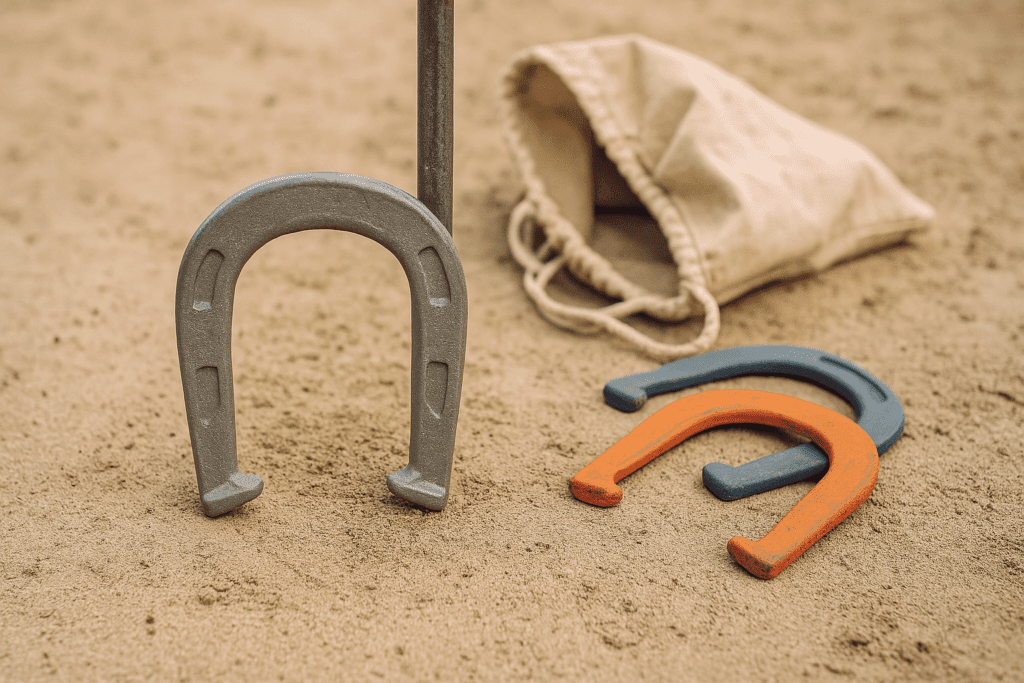
But before you start tossing shoes, you’ve got to understand the essential horseshoes equipment. In this guide, we’ll dive deep into every piece of gear you need, how to set it up correctly, maintain it properly, and tips to make your experience even better.
Let’s get started!
Understanding the Essentials: Horseshoes Equipment Basics
The Horseshoe: Your Key to Success
First things first—the horseshoe itself. And nope, these aren’t the shoes you’d find nailed onto horse hooves. Instead, they’re specially crafted for optimal gameplay.
Here’s what you should know:
- Weight and Balance:
Horseshoes typically weigh between 2 to 2.5 pounds, offering just the right heft for precision throwing. Balance is crucial, ensuring predictable flight and landing. - Materials:
Common materials include:- Steel: Durable, tournament-standard, offering a satisfying feel and sound.
- Iron: Similar to steel, slightly less common but equally sturdy.
- Rubber or Plastic: Best for beginners, kids, or casual play; safe and affordable.
- Special Coatings:
Premium sets often come with protective coatings to prevent rusting and improve grip.
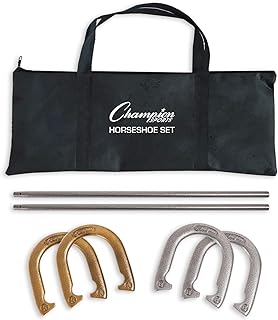
Example:
For competitive play, consider a steel set from trusted brands like St. Pierre. For casual family gatherings, a colorful rubber set by Franklin Sports works great.
Stakes: The Centerpiece of the Action
The stake is your target, and its quality matters just as much as your horseshoes:
- Material:
Steel stakes are ideal, durable, and reliable, able to withstand hundreds of throws without bending or breaking. - Height and Placement:
Official horseshoe stakes stand 14 to 15 inches above ground, set 40 feet apart according to the National Horseshoe Pitchers Association (NHPA). But don’t stress—backyard fun allows for flexibility!
Horseshoe Pits: Your Perfect Playing Field
Creating a horseshoe pit isn’t complicated, but doing it right can greatly enhance your game experience.
- Dimensions:
Standard horseshoe pits measure about 6 feet long and 3 feet wide. - Materials:
Sand or clay fill your pits, creating an ideal landing zone—this reduces bounce, minimizes wear on your shoes, and adds safety.
Building Your Horseshoe Court: DIY Tips and Tricks
Creating your personal horseshoes court transforms any backyard into a social hub. Follow these simple steps to get yours set up:
Step 1: Choosing the Right Spot
- Find a flat, open area free of obstacles and fragile objects—windows and cars included.
- Ensure your space comfortably fits the standard court dimensions (40 feet length and at least 6 feet width), adjusting if needed.
Step 2: Legal and Local Considerations
Before grabbing your shovel, double-check local zoning regulations or community rules. Some areas require permits even for recreational setups.
Step 3: Easy DIY Setup
- Digging and Framing:
Dig two pits approximately 6 feet by 3 feet, positioned 40 feet apart. Frame each pit with treated lumber or bricks. - Adding Sand or Clay:
Fill each pit with sand or clay until it’s about 6 to 8 inches deep. This ensures good cushioning for thrown shoes.
Example DIY Tip:
Consider placing weed barriers under the sand or clay to simplify maintenance and prevent unwanted plant growth.
Official vs. Casual Play: Understanding the Standards
For official horseshoes setups, the NHPA provides clear standards:
- Stake Distance: 40 feet for adult men, 30 feet for women, juniors, and seniors.
- Pit Dimensions: Precisely 6 feet by 3 feet.
- Stake Height: Approximately 15 inches above ground.
If you’re playing just for fun, feel free to modify these dimensions according to available space and player comfort.
Example for Seniors:
Senior players typically pitch from 30 feet, ensuring enjoyment without strain. Adjust your backyard accordingly for maximum accessibility and fun!
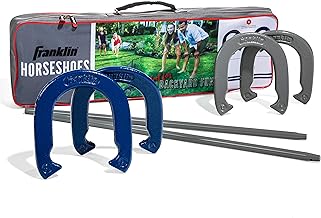
Metal Horseshoe Game Sets for Adults + Kids
Enhancing Your Game: Proper Equipment Maintenance and Care
Caring for your horseshoes equipment isn’t complicated but significantly impacts longevity and performance:
Regular Cleaning
- After each game, wipe down your horseshoes and stakes with a damp cloth.
- For deeper cleaning, mild soap and a soft brush will remove stubborn dirt without damaging the coating.
Proper Storage
- Always store your equipment in a dry place, protected from moisture and direct sunlight.
- Consider using a horseshoe carrying bag or storage case to avoid damage during transport or storage.
Pit and Stake Maintenance
- Regularly level your pits and replenish sand or clay as needed.
- Check stakes frequently for stability, straightening or reinforcing if necessary.
Eco-friendly Tips
- Repair bent horseshoes by carefully reshaping them using a vise instead of discarding.
- Donate or recycle equipment you’re no longer using to keep waste out of landfills.
Expert Tips for Beginners: Elevate Your Horseshoe Game
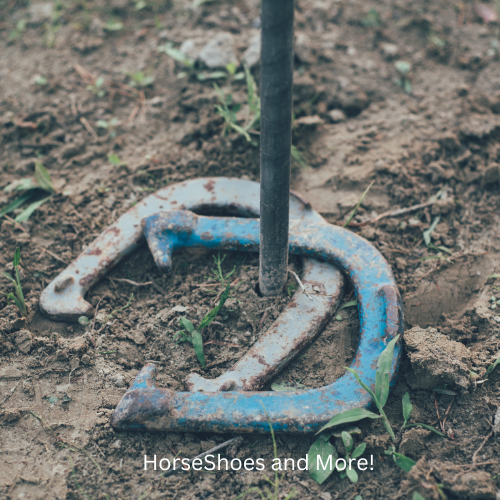
Even beginners can play like pros with a few helpful tips:
- Grip and Toss:
Find a grip that’s comfortable and consistent—practice tossing from a stable stance for improved accuracy. - Practice Consistency:
Regular practice sessions help you learn how your shoes behave, making your game more enjoyable and competitive. - Watch the Pros:
Watch tutorials online or visit local tournaments—experienced players offer fantastic insights.
Top Horseshoe Brands Ranked by Quality and Performance
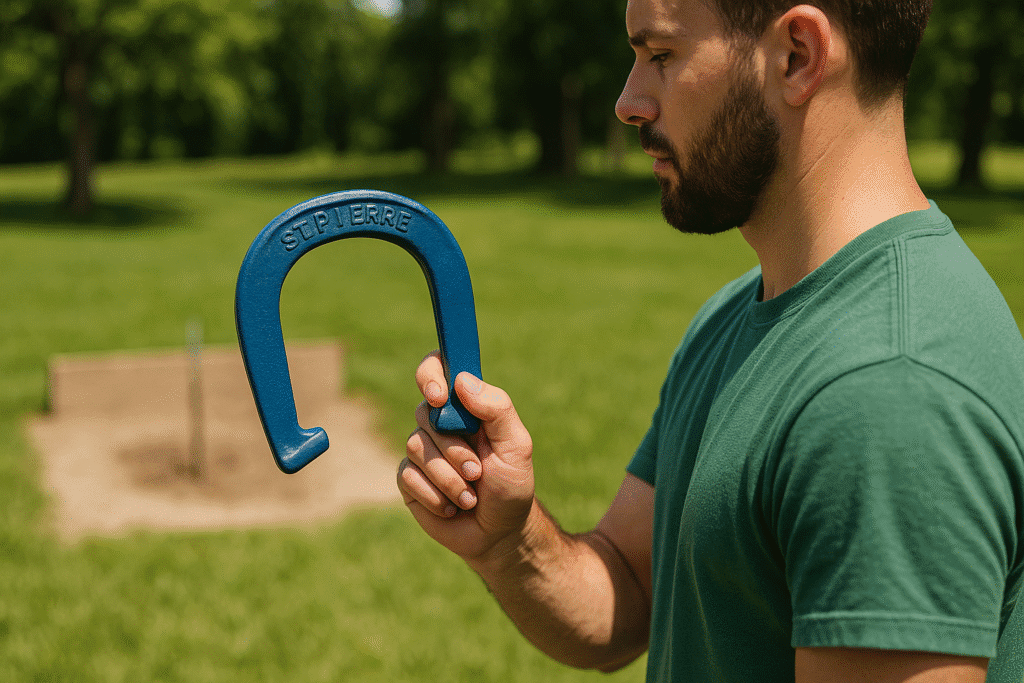
1. St. Pierre Manufacturing
Best For: All skill levels—from backyard players to professionals
Material: Drop-forged steel
Highlights:
- NHPA-approved tournament horseshoes
- Durable powder-coated finishes
- Balanced for turn or flip pitching
- Made in the USA
Top Product Line:
- American Professional Series: A favorite among serious players for its balance, durability, and ringer-friendly design.
Why We Recommend It:
St. Pierre is considered the gold standard by many competitive players. Their products are engineered for both recreational use and sanctioned tournaments, making them a go-to for players looking to step up their game.
2. Gordon Horseshoes
Best For: Competitive players seeking custom-fit performance
Material: Alloy steel and drop-forged steel
Highlights:
- NHPA-approved
- Precision-weighted designs
- Designed by Hall of Fame pitcher Gordon “Gordy” Gronowski
- Available in different weight distributions for personalized fit
Top Product Line:
- Gordon Pro Flip & Gordon Turn: Designed for specialized throwing techniques and available in a variety of custom configurations.
Why We Recommend It:
Gordon Horseshoes are made by players, for players. With customization options and precision balance, these are ideal for anyone serious about league or tournament play.
3. M&M Horseshoes
Best For: League players and professionals
Material: High-quality forged steel
Highlights:
- NHPA-approved for tournament play
- Symmetrical designs for balanced turn or flip styles
- Made in the USA
Top Product Line:
- M&M Mustang and Maverick: Known for their solid feel and outstanding sticking power.
Why We Recommend It:
M&M horseshoes are highly regarded in the competitive community for their craftsmanship and feel. The Mustang model in particular is a favorite for its smooth rotation and reliable landings.
4. Thoroughbred Horseshoes
Best For: Players upgrading from recreational to competitive play
Material: Drop-forged steel
Highlights:
- NHPA-approved
- Innovative ringer break and toe cleat design
- Balanced weight distribution for flip or turn
Top Product Line:
- Thoroughbred Horseshoes: Offers a blend of performance, affordability, and pro-level features.
Why We Recommend It:
Thoroughbred is gaining popularity for producing professional-quality shoes at a more approachable price. Great for experienced players making the leap into competitive leagues.
Frequently Asked Questions About Horseshoes Equipment
- Q: What equipment do I absolutely need to start playing horseshoes?
A: At minimum, you’ll need horseshoes, stakes, and ideally, a sand or clay pit area. - Q: What’s the pitching distance for seniors?
A: Seniors typically pitch from 30 feet. - Q: What’s the standard official horseshoe setup?
A: Officially, stakes are set 40 feet apart, with pits measuring 6 feet by 3 feet, stakes 15 inches above ground.
Final Thoughts: Gear Up and Start Tossing!
Horseshoes isn’t merely a game—it’s a wonderful way to unwind, socialize, and even compete in friendly rivalry. With the right equipment and setup, you’re not only playing a timeless game but creating memories that last.
So, what are you waiting for? Grab your horseshoes equipment, set up your pits, and let the good times begin. Share this article with friends, start your own horseshoes tradition, and bring joy to your backyard gatherings.
Have any tips, stories, or questions about horseshoes? Drop your comments below—we’d love to hear your experiences! Let’s toss some shoes!
Hi there, and thanks for stopping by! My name is Larry, and I’m the voice behind PlayingHorseshoes.com I love the game and have been playing since I was a kid. I started this blog because I am passionate about the sport, and with all the technology, I hope the sport doesn’t die. I plan to do my part to keep it going for me and my brother’s sake. Thanks for stopping by. Feel free to subscribe and comment. Thank You!