From Forge to Fun: Uncovering the Origins of Traditional Horseshoe Games
When you think of backyard gatherings, summer fairs, or old-time competitions, chances are you’ve seen or heard of the game of horseshoes. But what many don’t realize is that this classic pastime has a rich and fascinating history, rooted in centuries-old craftsmanship, folklore, and evolving cultural traditions. In this deep dive, we’ll explore how a utilitarian tool for protecting horses’ hooves transformed into a beloved game enjoyed across generations—and why it still matters today.
The Humble Beginnings: Horseshoes Before the Game
A Tool Born Out of Necessity
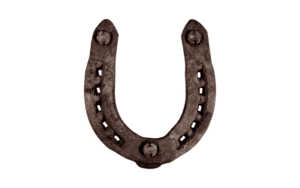
Before the game, there was the shoe—and not the one you’d wear to a dinner party. Iron horseshoes date back to the days of the Roman Empire, when armies and farmers needed to protect their horses’ hooves against harsh roads and rugged terrain. These early “hipposandals” were crude, strapped-on devices. Over time, as blacksmithing advanced, nailed horseshoes became the norm, particularly by the Middle Ages.
Repurposing for Play
As these essential items wore out, it wasn’t uncommon for folks to toss them aside—or, more creatively, start tossing them for sport. In rural communities where recreation was limited, people began using old horseshoes to create simple games of aim and distance. Think of it as a medieval form of cornhole. These casual competitions laid the groundwork for the structured game of horseshoes we know today.
The Power of Myth: Horseshoes in Folklore and Superstition
The Symbol of Luck and Protection
Ever noticed a horseshoe nailed above a door? That tradition comes from the long-standing belief that horseshoes bring luck and protection. The origin of this belief? Most point to medieval Europe, where iron was believed to ward off evil spirits and witches. Combine that with the crescent moon shape—seen as protective in many cultures—and you’ve got yourself a symbol of serious staying power.
The Devil and the Blacksmith
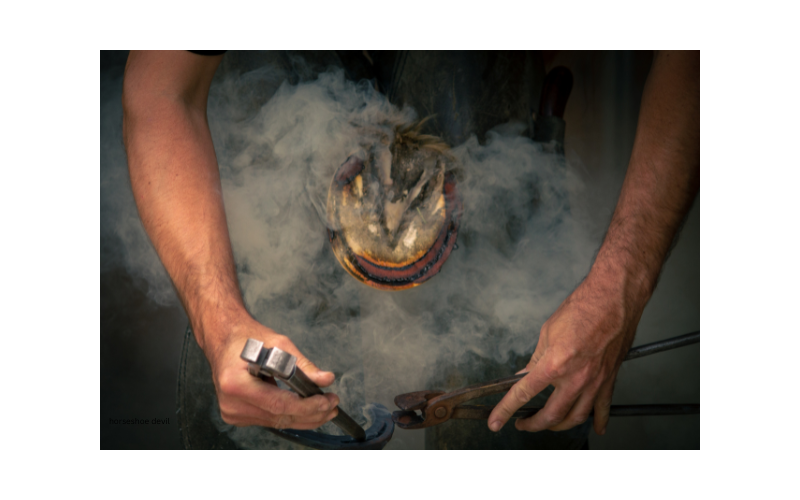
One of the most famous legends involves a crafty blacksmith and a visit from the Devil himself. According to the tale, the blacksmith tricked the Devil into wearing a horseshoe and nailed it on tight. Only after the Devil promised never to enter a home with a horseshoe above the door did the blacksmith let him go. This tale is often credited as the origin of the lucky horseshoe tradition.
A Worldwide Symbol
Cultures worldwide adopted their own horseshoe superstitions. In Ireland and England, the open end of the horseshoe was to point upward, to keep the luck from “falling out.” In parts of Eastern Europe, however, the shoe is hung downward to shower good luck upon those who pass under it.
From Practical to Playful: The Evolution of the Horseshoe Game
Turning Scrap into Sport
Early forms of the game were simple: players tossed real horseshoes toward a target, often just a stick or spike in the ground. Over time, the game became more standardized, particularly in North America during the 19th and early 20th centuries.
It wasn’t long before community tournaments, local rules, and even state fairs adopted the game, evolving it from pastime to sport. Today, there are national horseshoe pitching associations and international competitions, complete with official regulations.
Rules That Have Stood the Test of Time
While casual games often bend the rules, formal play typically follows these basics:
- Each player takes turns tossing two horseshoes toward a stake.
- A “ringer” (where the horseshoe encircles the stake) scores 3 points.
- Closest horseshoe within six inches earns 1 point.
- The game is usually played to 21 points.
Fun fact: The official regulation distance between stakes for men’s play is 40 feet, while it’s 30 feet for women’s and junior play.
Regional Twists and Variations
Just like BBQ recipes, the game of horseshoes varies across regions. In Canada and parts of Europe, you’ll find subtle differences in scoring and horseshoe weight. Some games use rubber horseshoes for indoor or beginner play. In other areas, pitching boxes or sand pits change the dynamics of the game.
Anatomy of the Modern Horseshoe Game Set
What Makes a Great Set?
At the heart of the game are two key components: the horseshoes and the stakes. But not just any horseshoes will do. Regulation shoes are typically made of drop-forged steel or alloy, designed for balance, grip, and durability.
Here’s what a complete set includes:
- 4 Regulation Horseshoes (about 2.5 pounds each)
- 2 Steel Stakes (approximately 15 inches tall)
- Carrying case or storage bag (optional but handy)
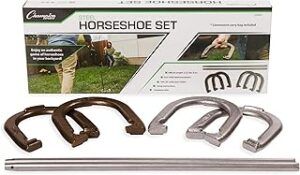
Horseshoe Game Set
Look for National Horseshoe Pitchers Association (NHPA) approval if you’re aiming to compete or practice seriously.
Pitching Tips: Mastering the Art
Getting the hang of a good pitch takes time, but it starts with consistent form. Here are some tips to get you started:
- Grip: Hold the horseshoe flat in your palm with your thumb over one branch.
- Stance: Square your shoulders with the stake, feet shoulder-width apart.
- Release: Keep your motion smooth and follow through after release.
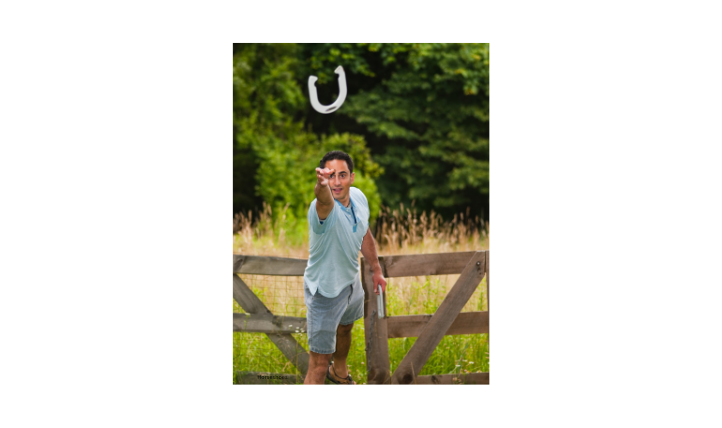
Many players develop their own rhythm and spin, whether it’s the popular one-and-a-quarter turn or a flip style. Practice breeds consistency, and consistency breeds points.
Why Horseshoes Endure: The Social Side of the Game
Built for Connection
What really makes horseshoes special isn’t just the clink of metal or the challenge of a ringer—it’s the social element. The game encourages conversation, laughter, and light-hearted competition. It’s a bridge across generations, perfect for family reunions, barbecues, and tailgates.
Community Tournaments and Clubs
From local leagues to state fairs, horseshoes have remained a staple in community competitions. Many clubs hold weekly meetups and tournaments. Some even travel for regional championships.
Joining a league is a great way to sharpen your skills, meet new people, and dive deeper into the culture of the game.
Therapeutic Benefits
Did you know horseshoes can be therapeutic? The combination of moderate physical activity, strategic thinking, and social interaction makes it a wonderful choice for older adults looking to stay active and engaged. It’s also low-impact and adaptable for players of various mobility levels.
The Legacy and Future of Horseshoes
A Time-Honored Tradition That’s Still Going Strong
The beauty of horseshoes lies in its simplicity. With just a pair of shoes and two stakes, you can create hours of entertainment. But beyond the game itself, it’s a legacy of tradition, resilience, and community.
From ancient iron craftsmanship to backyard fun, this humble game has traversed centuries, oceans, and cultures. It has turned blacksmith’s castoffs into competition-grade gear and passed down the joy of play from generation to generation.
Innovations on the Horizon?
Even traditional games like horseshoes aren’t immune to innovation. There are now smart horseshoe sets with sensors to track scoring and improve accuracy. Others include portable or glow-in-the-dark options for nighttime play.
With increasing interest in outdoor games and retro sports, there’s no doubt that horseshoes is poised for a revival among younger generations—especially when combined with a little tech flair.
Final Thoughts: More Than Just a Toss
Uncovering the origins of the traditional horseshoe. Games give us more than just a history lesson—it connect us to the past in a tangible way. From practical tool to cherished symbol, from old legends to new league matches, horseshoes is a game that continues to stand the test of time.
So whether you’re tossing your first horseshoe or competing for a local title, remember: you’re taking part in a global tradition built on camaraderie, storytelling, and just a touch of luck.
👟 Ready to pitch your first ringer or bring back a family tradition? Share your horseshoe memories or ask your beginner questions in the comments below! And if you’re looking for the best gear to get started, stay tuned for our upcoming buyer’s guide to top-rated horseshoe game sets.
Hi there, and thanks for stopping by! My name is Larry, and I’m the voice behind PlayingHorseshoes.com I love the game and have been playing since I was a kid. I started this blog because I am passionate about the sport, and with all the technology, I hope the sport doesn’t die. I plan to do my part to keep it going for me and my brother’s sake. Thanks for stopping by. Feel free to subscribe and comment. Thank You!