Doubles Strategy: How to Actually Work With a Partner
Why Doubles Isn’t Just “Singles With Two People”
Most players step into doubles thinking they can just throw their usual game and everything will fall into place. That might work in a casual setting, but once the competition tightens up, that approach starts to break down fast. Doubles introduces timing, awareness, and shared responsibility that simply don’t exist in singles play.
Every throw is connected. What your partner does directly affects your next move, and what you do sets up the rest of the frame. That means you’re not just playing your opponent—you’re playing the situation as it evolves. The sooner you start thinking like a team instead of an individual, the sooner your results improve.
Doubles isn’t about throwing better—it’s about thinking smarter together.
1. Define Roles Early (Even in Backyard Play)
Before you ever find a rhythm, it helps to understand what each player naturally brings to the table. You don’t need a formal plan, but recognizing strengths early can prevent a lot of wasted frames and frustration.
Most effective teams naturally settle into two roles. One player leans aggressively, going after ringers and trying to swing momentum. The other focuses on consistency, keeping shoes close, and limiting damage. When both players chase the same outcome, especially ringers, things get sloppy quickly. On the flip side, if both play too safely, you’ll never apply pressure.
Balance is what wins games.
If your partner is locked in and hitting well, let them stay aggressive. If they’re off, shift your approach and stabilize the frame. Good teams don’t force roles—they adjust to what’s happening.
Don’t mirror your partner. Complement them.
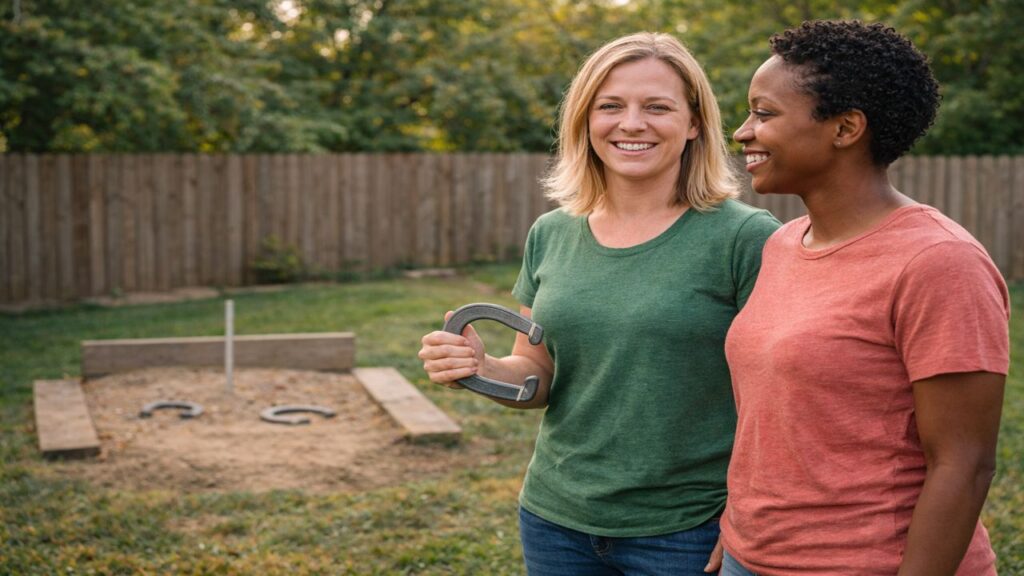
2. Play the Situation, Not Just Your Throw
One of the biggest mistakes in doubles is throwing the same way every time, no matter what just happened. That’s a habit carried over from singles, and it doesn’t work here.
Each throw should be a response. If your partner lands a strong shoe near the stake, your priority might be protecting that position instead of chasing a risky ringer. If they miss, now you’re in recovery mode and need to bring the frame back under control.
This is where awareness separates average teams from solid ones. You’re not just throwing—you’re making decisions.
Every pitch has a purpose.
3. Learn Your Partner’s Game Quickly
You don’t need multiple practice sessions to understand your partner. A few frames will tell you a lot if you’re paying attention. The key is recognizing patterns early and adjusting your approach around them.
Some players tend to miss short, others long. Some are aggressive and confident, while others prefer a safer, more controlled throw. You’ll also notice how they handle pressure—whether they stay steady or rush their release.
Once you see those tendencies, use them. If your partner consistently throws long, stay short to cover. If they go after ringers, you provide backup. That’s how a team starts to click.
Good teams aren’t identical—they’re compatible.
4. Keep Communication Simple and Effective
Communication matters in doubles, but it needs to be controlled. Too much talking, especially the wrong kind, can throw off focus and create tension. Nobody wants a play-by-play breakdown while they’re standing over the pit.
Instead, keep it simple and situational. A quick comment about what’s needed in the frame or a bit of encouragement goes a long way. You’re not coaching—you’re reinforcing.
And just as important, eliminate negative reactions. Body language matters more than people think. One bad look or frustrated comment can carry into the next throw.
Say less—but make it count.
5. Know When to Play Safe vs Go for It
Doubles is a constant balance between aggression and control. Not every throw should be a ringer attempt, even if that’s your strength. The best teams understand when to push and when to hold back.
When you’re behind or the frame is wide open, it makes sense to take a shot. But when you’re protecting points or trying to stabilize after a miss, playing it safe is often the smarter move. A well-placed shoe can be just as valuable as a ringer in the right situation.
This is where discipline comes in. It’s easy to chase big throws, but smart teams win by managing risk.
Sometimes the smartest throw isn’t the flashiest one.
6. Build a Consistent Team Rhythm
Every solid doubles team develops a natural flow. It’s not something you force—it builds as both players settle into a comfortable pace and routine. When that rhythm is there, the game feels smoother and more controlled.
Problems show up when timing gets off. If one player rushes while the other takes their time, it creates tension and breaks concentration. Keeping a steady pace between throws helps both players stay locked in and reduces unnecessary pressure.
Even small routines—like stepping up the same way or taking a consistent pause—can help establish that rhythm.
Consistency in pace leads to consistency in performance.
7. Support Without Taking Over
There’s a difference between being supportive and trying to control the game. In doubles, your job is to contribute—not to manage every detail of your partner’s performance.
Over-coaching, correcting, or constantly giving advice can quickly create frustration. The best teams trust each other and allow room for mistakes without turning every miss into a lesson.
Confidence builds when players feel supported, not controlled.
Encourage the player—don’t control them.
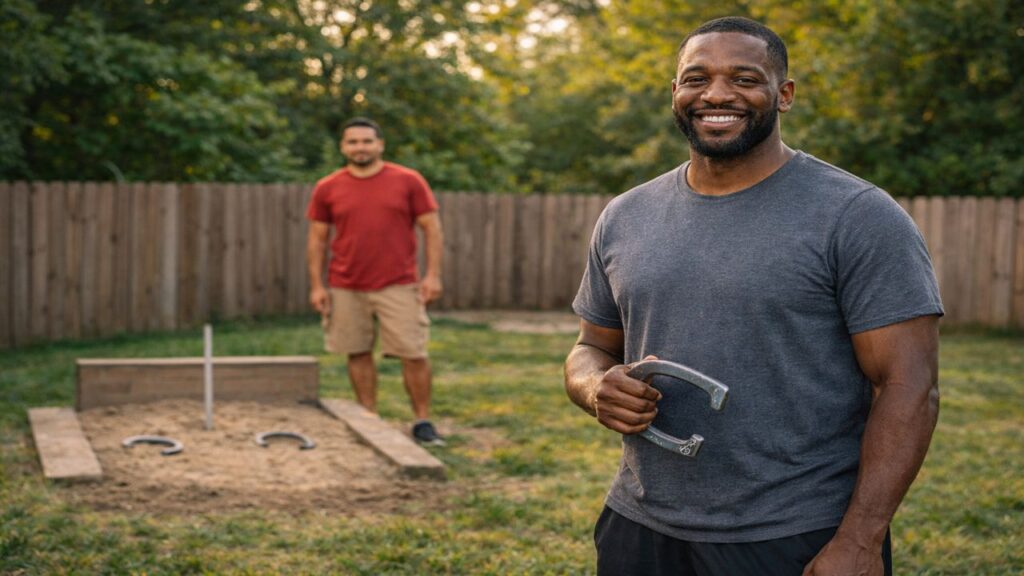
8. Manage Momentum Throughout the Match
Momentum can swing quickly in doubles, and how you handle those swings often determines the outcome of the game. A couple of good frames can build confidence fast, but just as easily, a bad stretch can create doubt.
The key is staying level. After a rough frame, reset and focus only on what’s next. Don’t carry mistakes forward. When things are going well, stay composed and avoid getting careless.
Teams that stay steady outperform teams that get emotional.
Stay even—no matter what the scoreboard says.
9. Practice Together (Even a Little Helps)
You don’t need hours of practice to improve as a team, but even a short session together can make a noticeable difference. Getting familiar with each other’s timing and tendencies helps eliminate confusion during actual play.
Use that time to understand how your styles fit together. Learn how each of you reacts in different situations and build a basic rhythm before stepping into a game.
The more familiar you are, the more confident you’ll play.
A little practice together goes a long way.
Recommended Gear to Improve Your Doubles Game
If you’re serious about tightening up your consistency in doubles, equipment plays a bigger role than most people realize. A reliable set like the St. Pierre American Professional Series Horseshoes gives you a balanced feel, consistent rotation, and durability that holds up over time.
That consistency matters even more in doubles. When both players are confident in how their shoes feel and react, it removes uncertainty and helps build trust in every throw. You’re not second-guessing the equipment—you’re focused on execution.
Adding a simple grip aid like rosin or chalk can also help maintain control, especially in humid conditions or longer matches.
Consistency in your gear leads to consistency in your game.
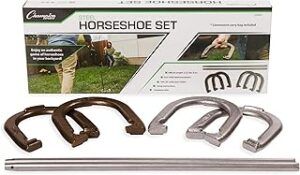
Horseshoe Game Sets
FAQ: Doubles Horseshoe Strategy
1. Should both players aim for ringers in doubles?
No. A balanced approach works best, with one player often focusing on aggression while the other provides consistency.
2. How do you handle a partner who is struggling?
Adjust your strategy, play safer shots, and keep communication positive without adding pressure.
3. Is communication necessary during a match?
Yes, but it should be simple and purposeful. Over-communication can hurt focus.
4. What’s the biggest mistake in doubles play?
Treating it like singles and ignoring your partner’s role and the current situation.
5. How can beginners improve quickly in doubles?
Focus on consistency, communicate clearly, and make decisions based on the situation instead of forcing big shots.
Where Doubles Really Start to Click
At some point, something shifts. You stop thinking about your throw alone and start seeing the entire frame—the setup, the response, the adjustment. That’s when doubles becomes more than just taking turns.
It becomes teamwork.
You trust your partner. You adapt without overthinking. You recover faster from mistakes and build momentum together instead of individually. And once that happens, the game slows down in a good way—you start making smarter decisions naturally.
That’s when doubles get fun.
And that’s when you start winning more often than not.
Hi there, and thanks for stopping by! My name is Larry, and I’m the voice behind PlayingHorseshoes.com. I love the game and have been playing since I was a kid. I started this blog because I am passionate about the sport, and with all the technology, I hope the sport doesn’t die. I plan to do my part to keep it going for me and my brother’s sake. Thanks for stopping by. Thank You!